
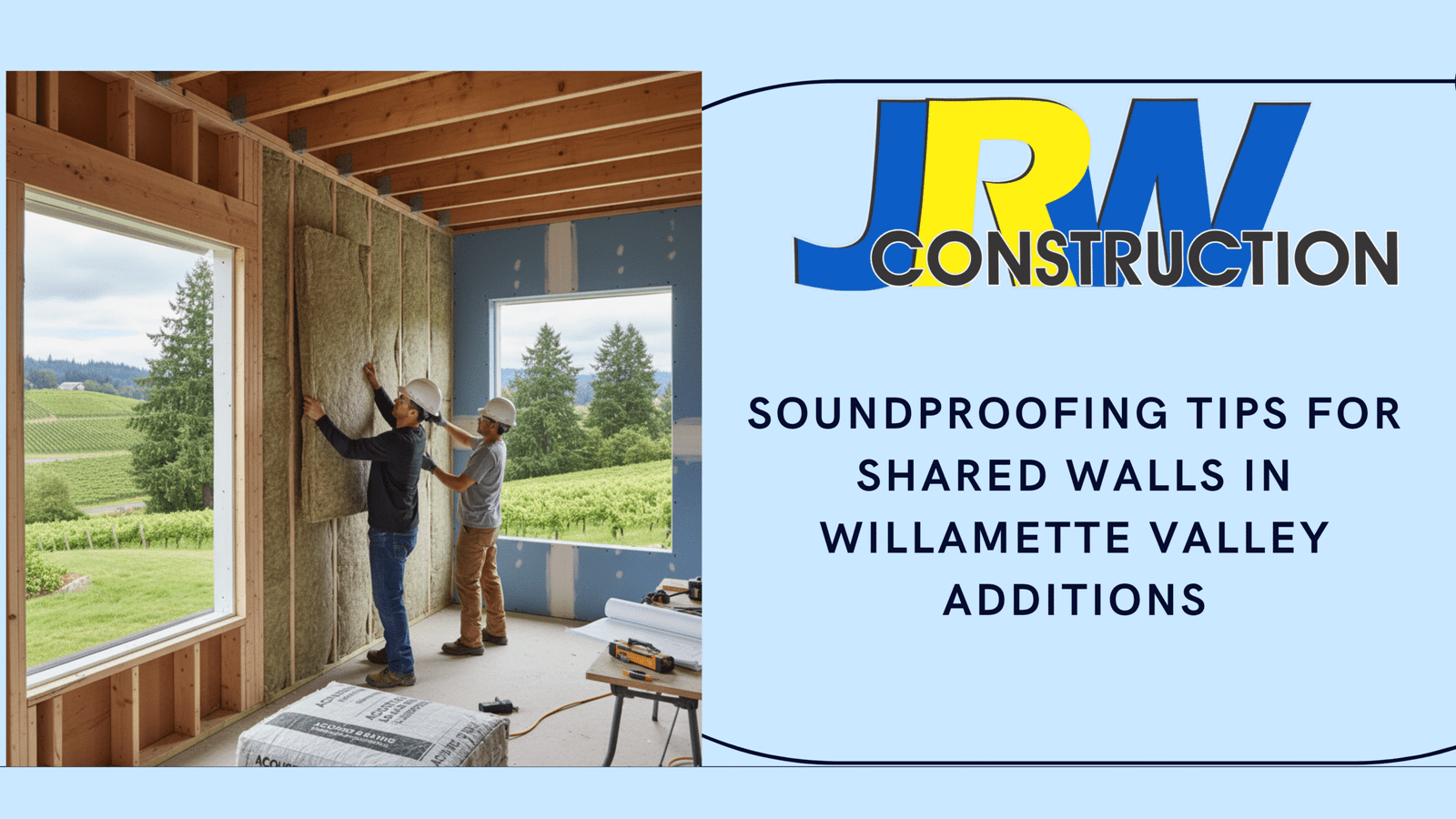
Creating a quiet, comfortable living environment can be challenging when you’re adding new spaces to your home. For homeowners in the Willamette Valley, one of the biggest concerns when expanding or remodeling a property is controlling noise transfer through shared walls. Whether you’re building an accessory dwelling unit (ADU), expanding a bedroom, or adding a home office, effective soundproofing strategies can make a significant difference in comfort, privacy, and even property value.
In this guide, we’ll break down practical, cost-effective, and long-lasting soundproofing tips that help keep noise out (or in), creating peaceful spaces where people can work, relax, or sleep without interruptions.
1. Understanding How Sound Travels Through Shared Walls
Before jumping into solutions, it’s important to understand how noise moves through a structure. Sound waves travel through air and solid surfaces, so even a well-built wall can allow noise to pass through via:
- Airborne sound: Voices, TVs, music, and traffic.
- Impact sound: Footsteps, door slams, or furniture movement.
- Structural vibration: Sounds that travel through the framing and foundation.
Shared walls in home additions are especially prone to these types of noise, particularly if the new space will be occupied by family members, tenants, or used for work.
Pro tip: Effective soundproofing requires a layered approach; no single product will block all noise on its own.
2. Choose the Right Insulation Material
Insulation is the first line of defense against unwanted noise. Traditional fiberglass insulation provides some sound absorption, but acoustic insulation products are far more effective. Some popular options include:
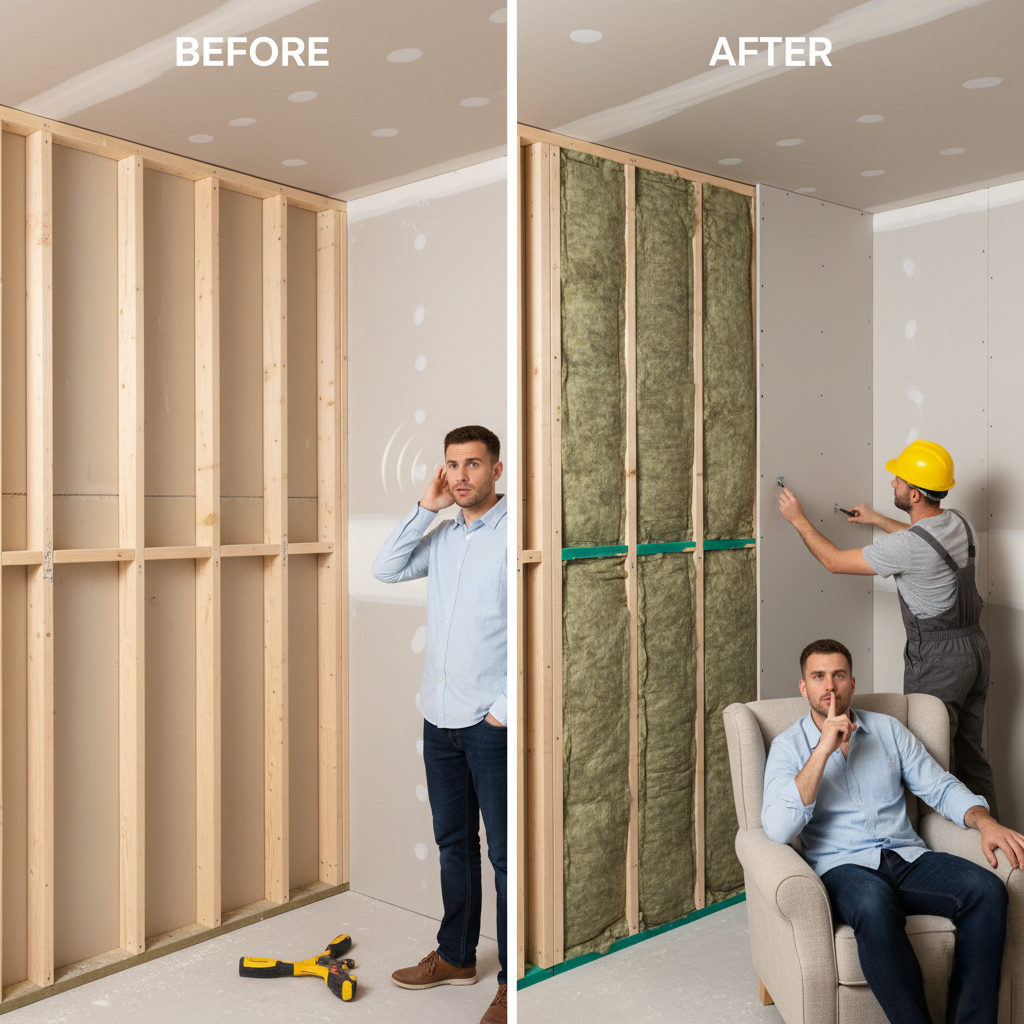
- Mineral wool or rock wool: Excellent for absorbing mid to high-frequency sounds. It’s denser than fiberglass and resists mold and fire.
- Blown-in cellulose: Great for retrofitting existing walls without opening them up.
- Acoustic foam panels: Best used in combination with other materials, not as a standalone solution.
For Willamette Valley homeowners, mineral wool is often the preferred choice because it performs well in both temperature control and sound absorption, ideal for the region’s mixed climate.
3. Add Mass to the Wall for Better Sound Blocking
Sound struggles to travel through dense materials. Adding mass to shared walls is a simple and effective soundproofing strategy. Here are some options:
- Double layers of drywall: Installing two layers of standard drywall or using thicker 5/8″ sheets reduces airborne sound transfer significantly.
- Soundproof drywall: Specially engineered panels with noise-dampening properties. Though more expensive, they’re effective in high-traffic or noisy areas.
- Mass-loaded vinyl (MLV): A dense, flexible material installed behind drywall. It’s lightweight compared to concrete but has excellent sound-blocking abilities.
Tip: The combination of insulation and added wall mass can reduce sound transmission by up to 50% or more.
4. Use Resilient Channels or Sound Isolation Clips
Even with good insulation and heavy drywall, sound can still travel through wall studs, which act like a bridge between rooms. To prevent this, contractors often use:
- Resilient channels: Metal strips that create a gap between the drywall and the studs, reducing vibration transfer.
- Sound isolation clips: These provide an even higher level of decoupling and are ideal for home offices or music rooms.
For new additions in the Willamette Valley, installing resilient channels during framing is one of the most cost-effective upgrades you can make to control noise early in the construction process.
5. Seal All Gaps and Cracks Thoroughly
Even small openings can let a surprising amount of noise through. Proper sealing is a crucial but often overlooked step in soundproofing. Focus on:
- Electrical outlets and switches: Use foam gaskets or acoustic putty pads to seal gaps.
- Baseboards and trim: Apply high-quality acoustic caulk to seal along edges.
- Light fixtures and vents: Make sure they’re properly insulated and sealed.
For long-term performance, avoid standard caulk and opt for acoustic sealant, which remains flexible over time, maintaining an effective sound barrier.
6. Consider Soundproof Doors and Windows
Even the best-insulated wall won’t work effectively if noise leaks through doors and windows. To ensure maximum sound control:
- Choose solid-core doors instead of hollow ones.
- Install weatherstripping and door sweeps to seal gaps around the frame.
- Consider double-glazed windows with tight seals to reduce outside noise.
In the Willamette Valley, where homes often blend open floor plans with traditional layouts, properly sealed doors and windows make shared wall soundproofing much more effective.
7. Use Acoustic Panels or Wall Coverings for Extra Absorption
Adding acoustic wall treatments can enhance soundproofing while also improving the aesthetics of your new addition. Some stylish and functional options include:
- Fabric-wrapped acoustic panels: Available in various colors and textures.
- Cork wall tiles: A sustainable, natural sound absorber.
- Decorative felt panels: Ideal for home offices or playrooms.
These materials don’t block sound like drywall or MLV, but they help absorb echoes and reduce noise reflection, creating a more peaceful interior environment.
8. Incorporate Soundproofing into the Floor and Ceiling
Shared walls aren’t the only culprits. Sound can travel vertically, especially in multi-story additions or when rooms are built adjacent to living areas. A few smart upgrades include:
- Acoustic underlayment beneath flooring: Works well with hardwood, laminate, or tile.
- Drop ceilings with acoustic tiles: Reduce sound transfer between floors.
- Insulating joist cavities: Adds another layer of sound absorption.
For families in the Willamette Valley, this is particularly useful when adding a bedroom or office over an existing living space.
9. Smart Furniture Placement Can Help Too
Not all soundproofing strategies involve construction. Strategic interior design can also reduce noise. Consider:
- Placing bookshelves or cabinets against shared walls to absorb sound.
- Using heavy curtains or tapestries for added sound absorption.
- Installing rugs and carpets on floors to minimize echo.
While these won’t replace insulation or resilient channels, they can enhance overall noise control affordably.
10. Hire Professionals for Proper Installation
Even the best soundproofing materials won’t perform well if they’re not installed correctly. A professional contractor familiar with soundproofing techniques for Willamette Valley homes can:
- Assess your specific noise concerns.
- Recommend the right combination of materials and strategies.
- Ensure airtight, vibration-free installation.
This is especially important if the new addition will serve as a rental unit, office, or guest suite where privacy is essential.
11. Balancing Cost and Performance
Soundproofing can range from simple DIY fixes to advanced, high-performance systems. Here’s a quick breakdown of what to expect:
- Low-cost upgrades: Acoustic caulk, weatherstripping, rugs, and curtains.
- Mid-range solutions: Mineral wool insulation, resilient channels, double drywall.
- High-end solutions: Soundproof drywall, isolation clips, mass-loaded vinyl, and acoustic doors.
By layering affordable solutions strategically, homeowners can achieve excellent noise reduction without overspending.
12. Why Soundproofing Matters in Willamette Valley Additions
Home additions are more than just extra square footage; they’re about creating functional, livable spaces. Whether you’re designing an office, studio, rental unit, or in-law suite, good soundproofing:
- Protects privacy between shared spaces.
- Reduces daily stress and distractions.
- Adds value to your property.
- Creates a more professional environment for remote work or creative projects.
Given Willamette Valley’s growing housing market and increasing demand for versatile living spaces, soundproofing is an investment that pays off long-term.
Conclusion: Build Peaceful, Private Spaces with the Right Soundproofing
Soundproofing shared walls in home additions doesn’t have to be complicated. With the right combination of insulation, mass, sealing, and acoustic treatments, homeowners in the Willamette Valley can create quiet, comfortable spaces that fit modern lifestyles.
Call to Action
Whether you’re renovating an existing structure or planning a new build, addressing noise control early in the process will save time, money, and frustration later. From resilient channels to acoustic panels, there’s a solution for every budget and need. Contact us today!