
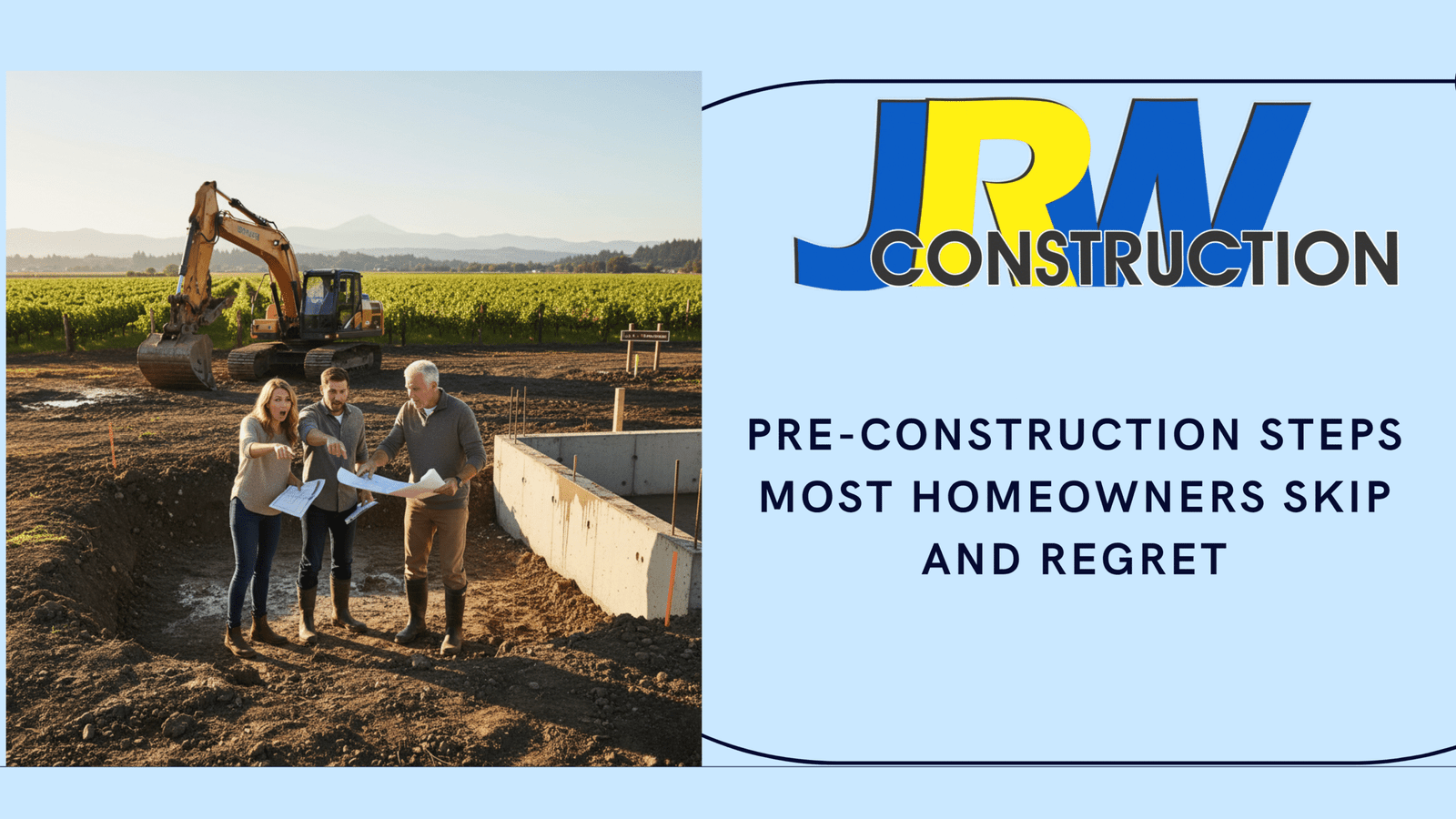
Building a new home in Oregon’s Willamette Valley is an exciting journey, one filled with dreams of custom layouts, scenic views, and the satisfaction of creating something uniquely yours. But between choosing the perfect lot and moving in, there are critical pre-construction steps that many homeowners overlook. Skipping these early stages can lead to costly delays, design compromises, and long-term issues that could have easily been avoided.
Whether you’re planning a modern farmhouse in Salem or a custom build near Eugene, understanding and completing these essential steps before breaking ground can make all the difference in your project’s success.
1. Conducting a Comprehensive Site Evaluation
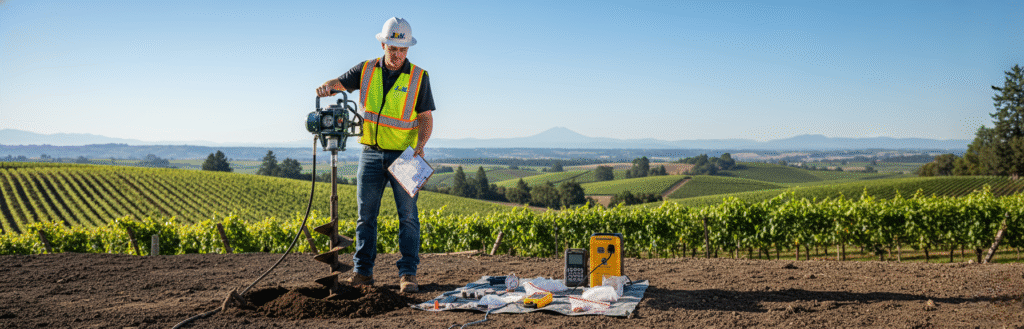
One of the first, and most commonly skipped, steps in pre-construction is a professional site evaluation. Many homeowners assume that a flat or scenic lot is automatically build-ready, but that’s rarely the case.
A proper site evaluation includes:
- Soil testing to assess stability and drainage.
- Topographic analysis to identify slopes, elevations, and grading needs.
- Environmental checks for wetlands, flood zones, or protected habitats.
In the Willamette Valley, where soils vary from clay-rich plains to forested hillsides, skipping this step can result in foundation problems, water pooling, or costly grading work later.
2. Obtaining the Right Permits and Approvals
It’s tempting to start early when you’ve chosen your design, but failing to secure building permits and zoning approvals can bring your project to a screeching halt.
Every city and county in the Willamette Valley, including Salem, Albany, and Corvallis, has specific regulations governing:
- Setback distances
- Maximum building heights
- Environmental impact compliance
- Septic and drainage requirements
Working with a licensed contractor or project manager ensures all necessary paperwork is handled efficiently. Skipping this step not only risks fines but could also delay your project for months.
3. Creating a Detailed Budget With Contingencies
Many homeowners focus only on construction costs, forgetting the hidden expenses that arise before building begins. These can include permit fees, utility hookups, design revisions, and unexpected soil or weather issues.
A detailed budget should include a 10–15% contingency fund for unforeseen costs. Without this cushion, even a small surprise can push your project over budget or stall progress entirely.
In the Willamette Valley’s unpredictable climate, where rain delays are common, factoring in extra time and funds is crucial for avoiding frustration and unfinished work.
4. Selecting the Right Builder Early
Choosing a qualified builder should happen well before the first blueprint is finalized. Too often, homeowners design their dream home and only later discover that their chosen builder can’t execute the plan within budget or timeframe.
By selecting your builder early, you gain:
- Professional input on design feasibility and costs.
- Material and supplier recommendations based on local availability.
- Realistic timelines that account for weather and permit approvals.
In short, your builder becomes a partner in planning, not just execution.

5. Reviewing Utility Access and Site Infrastructure
Before building, it’s essential to determine how utilities such as water, gas, power, and internet will connect to your property. In rural parts of the Willamette Valley, homeowners often assume these services are readily available, only to discover later that trenching, septic installation, or new utility poles are required.
A pre-construction inspection can confirm:
- The proximity of existing utility lines
- Whether septic or well systems are needed
- Drainage and stormwater management requirements
Addressing these logistics before construction prevents expensive mid-project adjustments.
6. Planning for Drainage and Weather Challenges
The Willamette Valley is known for its rainy winters and wet soil conditions. Poor drainage planning is one of the most common causes of foundation cracks, basement flooding, and landscaping erosion.
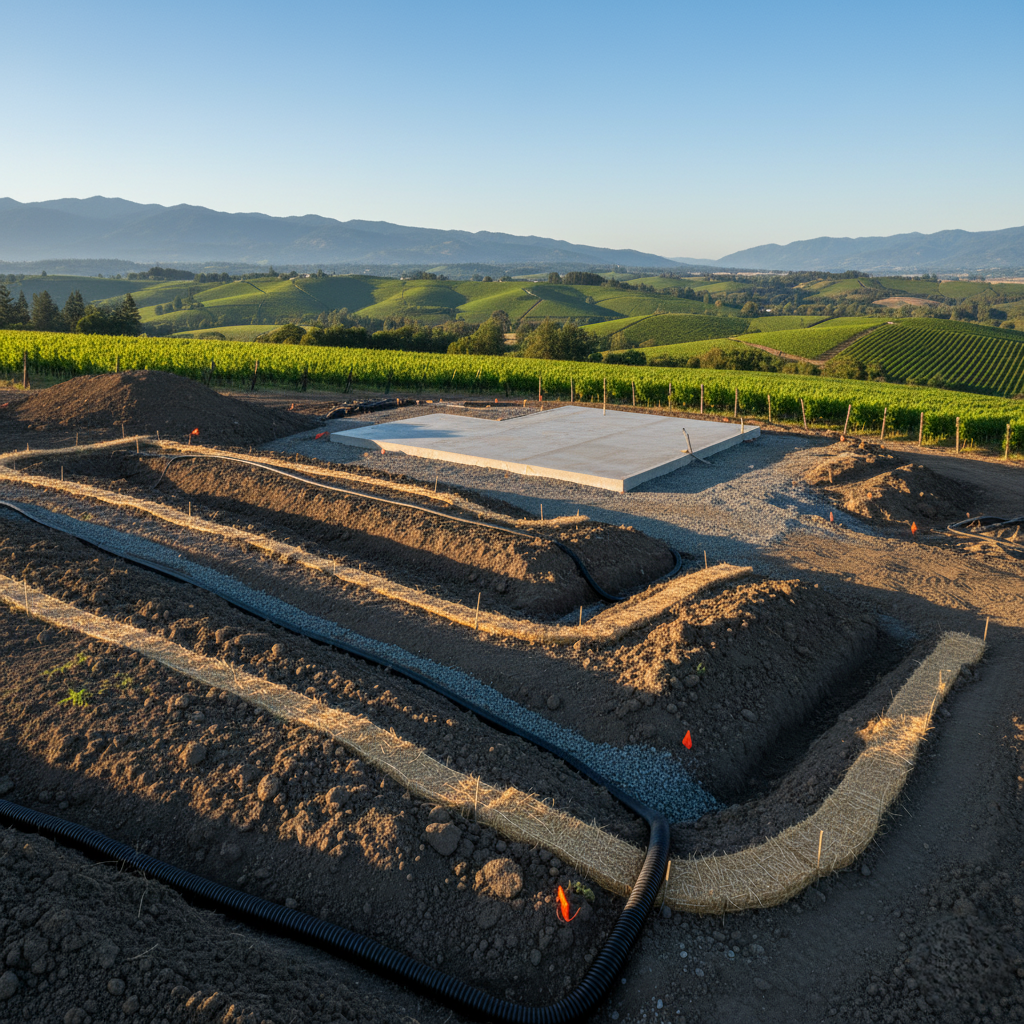
Your contractor should perform a drainage assessment to ensure water flows away from the structure and doesn’t pool around the foundation. This may include grading adjustments, French drains, or waterproofing systems.
7. Accounting for Future Expansion or Resale Value
It’s easy to focus only on your current needs when designing a new home. However, thinking ahead about future additions, resale value, and changing family dynamics can save money and effort down the road.
A professional builder can help you design flexible spaces, choose long-lasting materials, and position the structure for potential expansions, like adding an ADU, garage, or solar installation later.
8. Scheduling a Professional Pre-Construction Consultation
A pre-construction consultation brings all the moving parts together, from architects and engineers to surveyors and city inspectors. This meeting helps align everyone on expectations, responsibilities, and deadlines.
Skipping this coordination step often leads to miscommunication and rework, which costs time and money.
Professional construction companies in the Willamette Valley offer comprehensive pre-construction planning packages that include cost analysis, scheduling, material selection, and value engineering, ensuring a smoother and more predictable building process.
Why Homeowners Regret Skipping These Steps
Homeowners who bypass pre-construction planning often face issues such as:
- Budget overruns due to unexpected site conditions.
- Delays from missing permits or weather conflicts.
- Structural issues from poor soil or drainage.
- Compromised design because of rushed decisions.
Pre-construction may seem tedious, but it’s where great homes are truly built, not just physically, but strategically. The most successful projects in the Willamette Valley are those that invest time and expertise upfront.
Partner with a Willamette Valley Construction Expert for a Smooth Start
Avoid the costly mistakes and regrets that come from skipping essential pre-construction steps. At JRW Construction, we specialize in guiding Willamette Valley homeowners through every stage of the building process, from initial site evaluation to final construction.
Our team handles permits, budgeting, design coordination, and site preparation so your project starts strong and stays on track. Whether you’re building a modern home in Eugene or a countryside retreat near Corvallis, we ensure every detail is handled with precision and care.
Call to Action
Contact us today to schedule your pre-construction consultation and take the first confident step toward your dream home.


