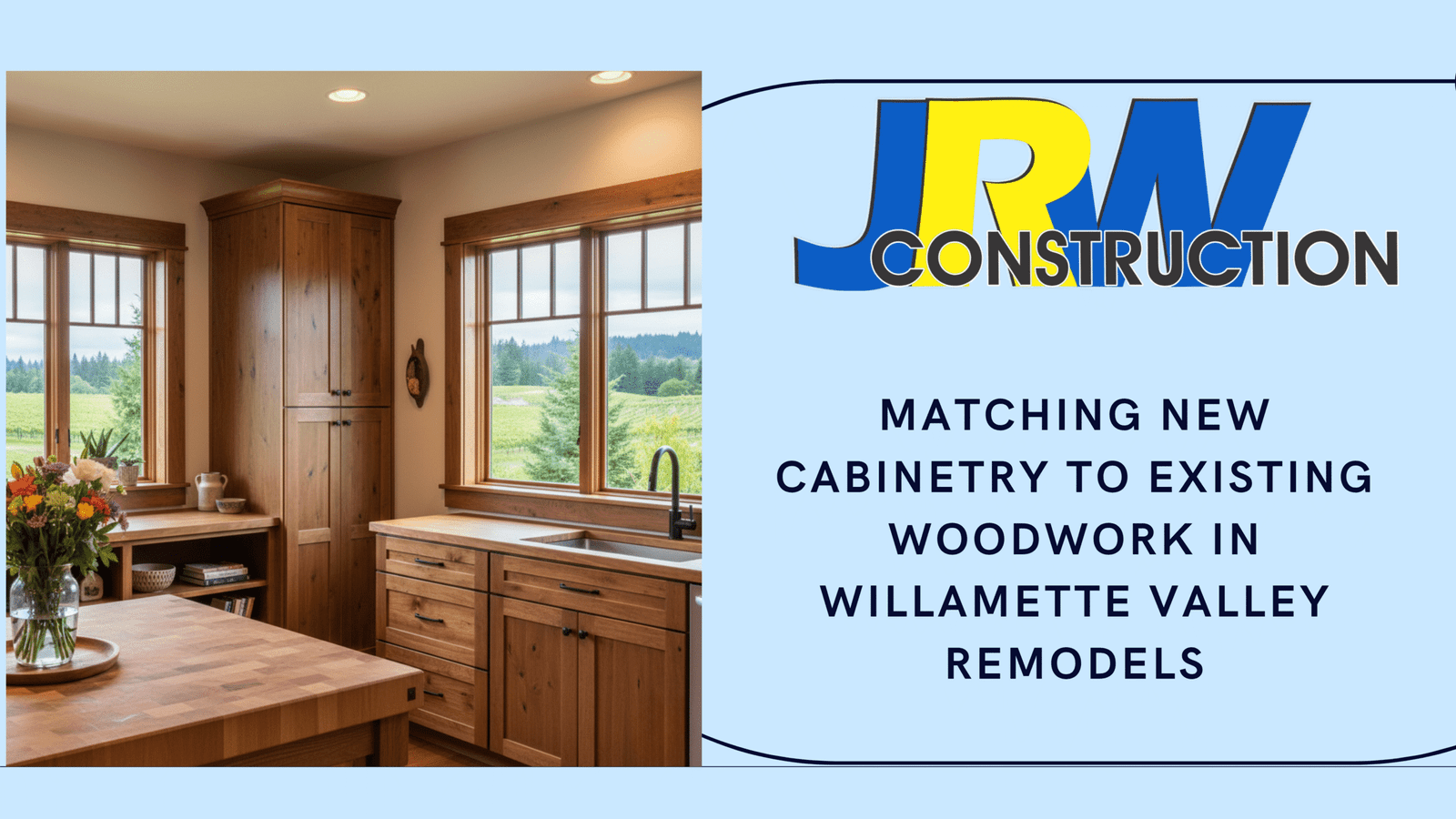
When remodeling a home in Oregon’s scenic Willamette Valley, homeowners often strive to create harmony between the old and the new. One of the most challenging yet rewarding parts of this process is matching new cabinetry to existing woodwork. Whether you’re upgrading your kitchen, bath, or built-in storage, blending cabinetry styles and finishes can preserve the charm of your home while adding modern function and flair.
Understanding Your Existing Woodwork
Before ordering or building new cabinets, it’s crucial to understand what you already have. The Willamette Valley is home to a wide range of architectural styles, from historic farmhouses to contemporary craftsman homes, each with distinct wood species and finishes.
Start by identifying:
- Wood Species: Common options include oak, maple, cherry, and walnut. Each has its own grain pattern and undertone.
- Finish Type: Determine whether your woodwork is stained, painted, or natural.
- Age & Patina: Older wood tends to darken or yellow over time, giving it a warm patina that newer wood won’t immediately have.
Document these details with photos and samples before consulting a designer or carpenter.
Color Matching and Stain Selection
Getting the color right is one of the trickiest aspects of matching cabinetry. A perfect match rarely comes from the first attempt; it’s often a process of trial and error.
Pro tip: Work with a local cabinetry expert or finish specialist who can custom-mix stains. They’ll test different combinations on scrap pieces of wood until the tone aligns with your existing trim and doors.
For modern updates, you can also complement rather than match. For example:
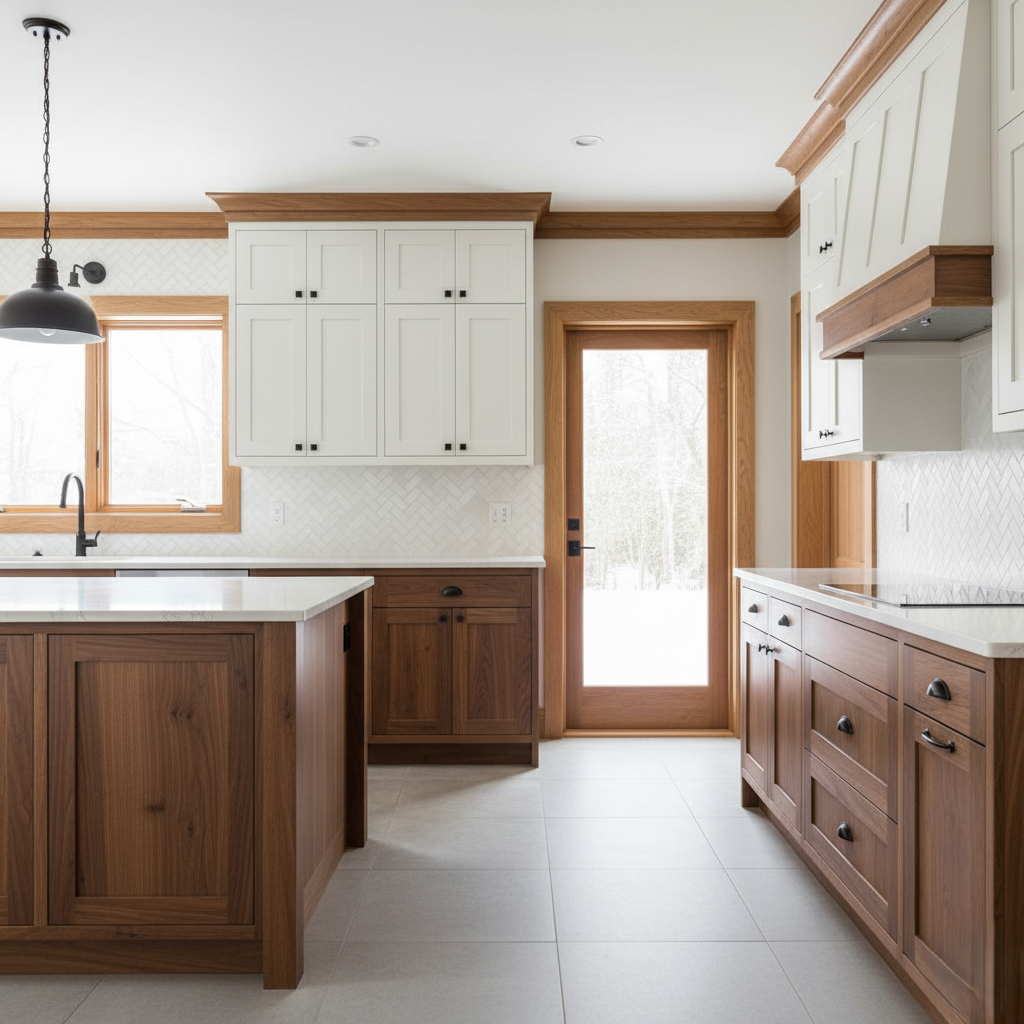
- Pair medium walnut cabinets with lighter oak trim for depth.
- Use two-tone cabinetry (such as white uppers and stained lowers) to bridge traditional and modern styles.
Consider the Finish and Sheen
Even if the stain color is perfect, the finish sheen, whether matte, satin, or gloss, can dramatically alter the look. Try to match the sheen level of existing woodwork to maintain consistency.
In moisture-prone spaces like kitchens and bathrooms, satin finishes are often preferred, as they balance durability with a subtle shine that reflects light beautifully.
Hardware and Design Details Matter
Cabinet hardware can make or break a design match. If your existing woodwork features antique brass pulls or wrought-iron handles, try to echo those tones in your new cabinetry.
You should also pay attention to door profiles and trim details:
- Raised panel doors pair well with traditional homes.
- Shaker-style doors suit both transitional and farmhouse interiors.
- Flat-panel doors fit modern or minimalist remodels.
Replicating these subtle design features helps tie everything together visually.
Blending the Old with the New
Sometimes, an exact match isn’t the goal. In Willamette Valley homes, many remodelers embrace a transitional style, a blend of classic warmth and modern simplicity. For example:
- Keep the original built-in hutches or trim as focal points.
- Introduce modern cabinetry in complementary stains or neutral paint colors.
- Use matching crown molding to create cohesion across spaces.
This approach respects the character of your home while ensuring your remodel feels fresh and functional.
Hire a Professional for Seamless Results
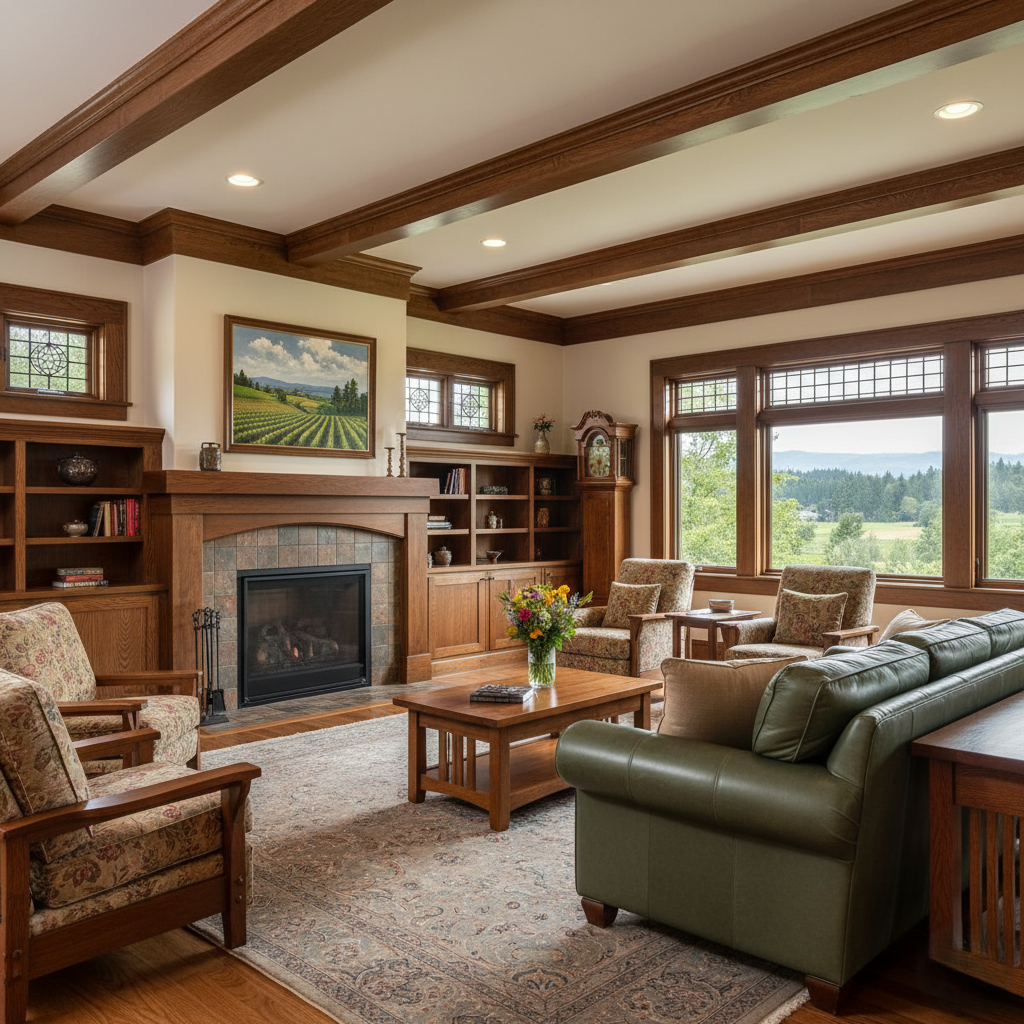
If you’re unsure how to match stains or finishes, professional woodworkers and remodeling contractors in the Willamette Valley can help. They’ll bring samples, test stains under your home’s lighting, and ensure the cabinetry aligns with your existing millwork perfectly.
A skilled finisher can also age new wood artificially using special techniques, like glazing, distressing, or toning, to give it that time-worn charm.
Conclusion
Matching new cabinetry to existing woodwork takes an expert eye and a thoughtful approach. By paying attention to wood species, stains, finishes, and design details, you can achieve a seamless blend that enhances both beauty and value.
Call to Action
If you’re planning a remodel in the Willamette Valley, consider partnering with local professionals who understand the region’s architectural character and woodcraft traditions. Your home will retain its unique charm, just with a renewed sense of style and purpose. Contact us today!