When planning to build outdoor structures in the Willamette Valley, one of the most crucial yet often overlooked aspects is the foundation. While the region’s moderate climate might seem forgiving, the ground can still experience freezing conditions in winter. Without proper frost-proof footings, your decks, pergolas, sheds, and other outdoor structures could shift, crack, or even collapse over time. Let’s explore why frost-proof footings are essential, how they work, and the best methods to ensure your structure stands strong year after year.
Understanding Frost Heave and Its Impact
Frost heave occurs when moist soil freezes, causing the ground to expand and push upward. When the ice melts, the soil settles unevenly, leading to foundation movement. This can result in warped decks, cracked slabs, or doors and windows that no longer open properly.
In the Willamette Valley, where rainfall and moisture levels are high, frost heave poses a particular risk during colder months. Even minor frost penetration can damage structures that are not properly anchored below the frost line, the depth at which the ground freezes.
What Are Frost-Proof Footings?
Frost-proof footings are designed to extend below the frost line, preventing the shifting and cracking that occur when the soil freezes and thaws. By reaching a depth where the ground remains stable year-round, these footings provide a solid foundation that resists the movement caused by frost heave.
Common types include:
- Concrete Piers: Durable and long-lasting, ideal for decks, pergolas, and gazebos.
- Helical Piers: Steel anchors screwed deep into the ground for maximum stability, suitable for uneven terrain.
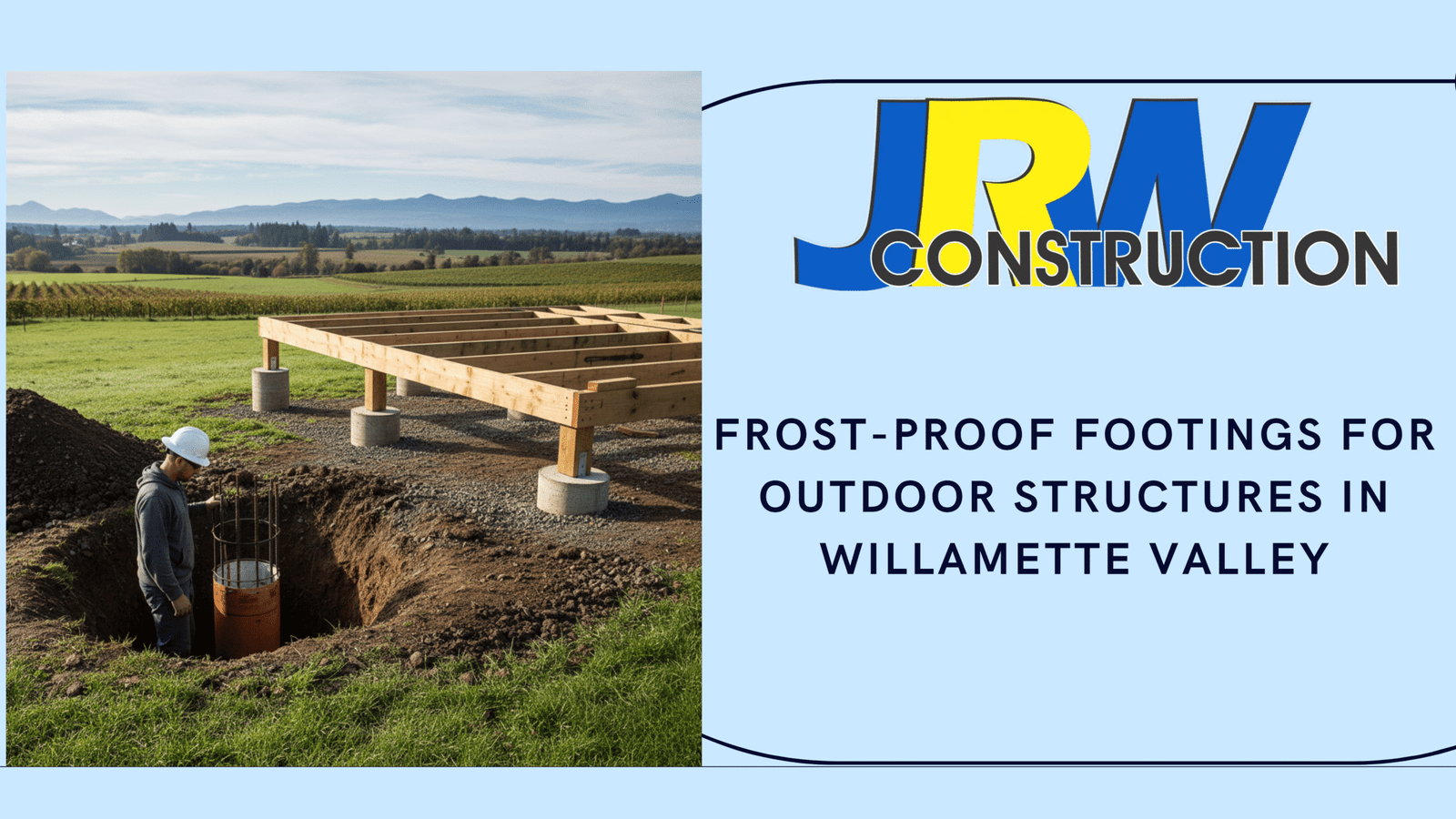
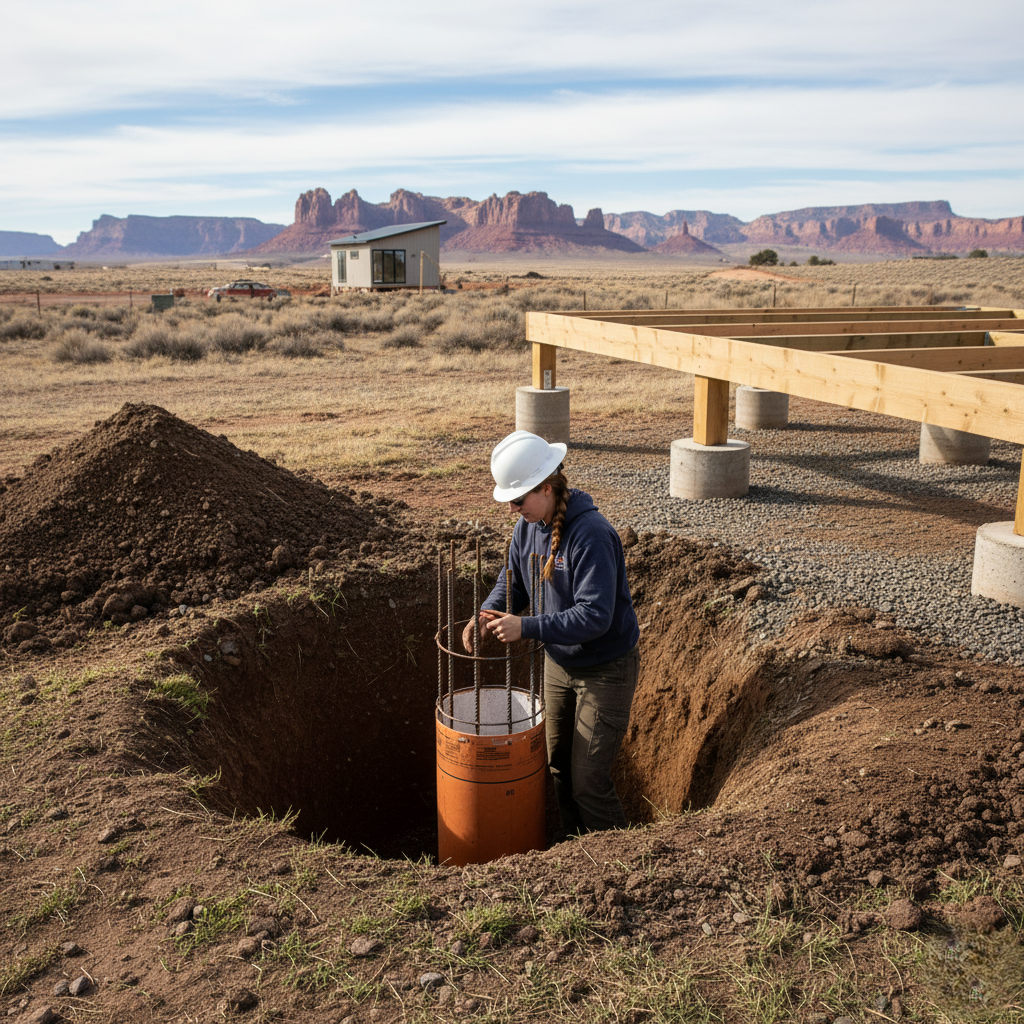
- Sonotube Footings: Concrete poured into cylindrical forms extending below the frost line, offering excellent resistance to shifting.
Why Frost-Proof Footings Matter in the Willamette Valley
Even though the Willamette Valley has a milder winter climate compared to other regions, temperatures can still dip below freezing. Combined with high rainfall, this creates the perfect conditions for frost-related soil movement.
Proper footings offer several long-term benefits:
- Prevents Structural Damage: Avoid costly repairs caused by ground movement.
- Improves Longevity: Increases the lifespan of decks, sheds, and fences.
- Ensures Safety: Keeps your outdoor spaces stable and level.
- Adds Property Value: Well-built, structurally sound installations enhance curb appeal and resale value.
Determining Frost Depth in the Willamette Valley
In most parts of the Willamette Valley, the frost depth ranges between 12 to 18 inches. However, this can vary depending on the exact location and elevation. It’s best to consult with a local building professional or check municipal codes to confirm the required footing depth in your area.
Steps for Installing Frost-Proof Footings
Here’s a simplified process that local contractors in the Willamette Valley typically follow:
- Site Assessment: Evaluate soil type, drainage, and frost depth.
- Excavation: Dig footing holes below the frost line, ensuring consistent depth.
- Form Setup: Place Sonotube forms or rebar reinforcement as needed.
- Concrete Pouring: Pour high-strength concrete to fill the form completely.
- Curing: Allow the concrete to cure properly before building the structure.
- Anchoring: Attach brackets or anchors securely to support beams or posts.
This process ensures the foundation remains stable, even through multiple freeze-thaw cycles.
Alternative Solutions: Frost-Protected Shallow Foundations (FPSF)
For larger projects like garages or garden rooms, frost-protected shallow foundations (FPSFs) can be a great option. These systems use insulated materials to trap ground heat beneath the structure, preventing frost from forming underneath. FPSFs are energy-efficient, reduce excavation costs, and work well in regions with mild frost conditions like the Willamette Valley.
Common Mistakes to Avoid
- Skipping Frost-Proofing: Building on shallow footings may save time, but it leads to structural instability later.
- Poor Drainage: Standing water around footings increases frost heave risk.
- Incorrect Concrete Mix: Using low-strength concrete can cause cracks and weaken the base.
- Ignoring Local Codes: Always check regional construction regulations before digging.
Maintenance Tips for Long-Term Durability
- Inspect your structures annually for any signs of shifting or uneven settling.
- Keep gutters and drainage systems clear to prevent water buildup near footings.
- Consider sealing concrete footings to protect them from moisture infiltration.
- For wooden structures, apply water-repellent finishes to reduce moisture absorption.
Why Hire Professionals for Frost-Proof Footings in the Willamette Valley
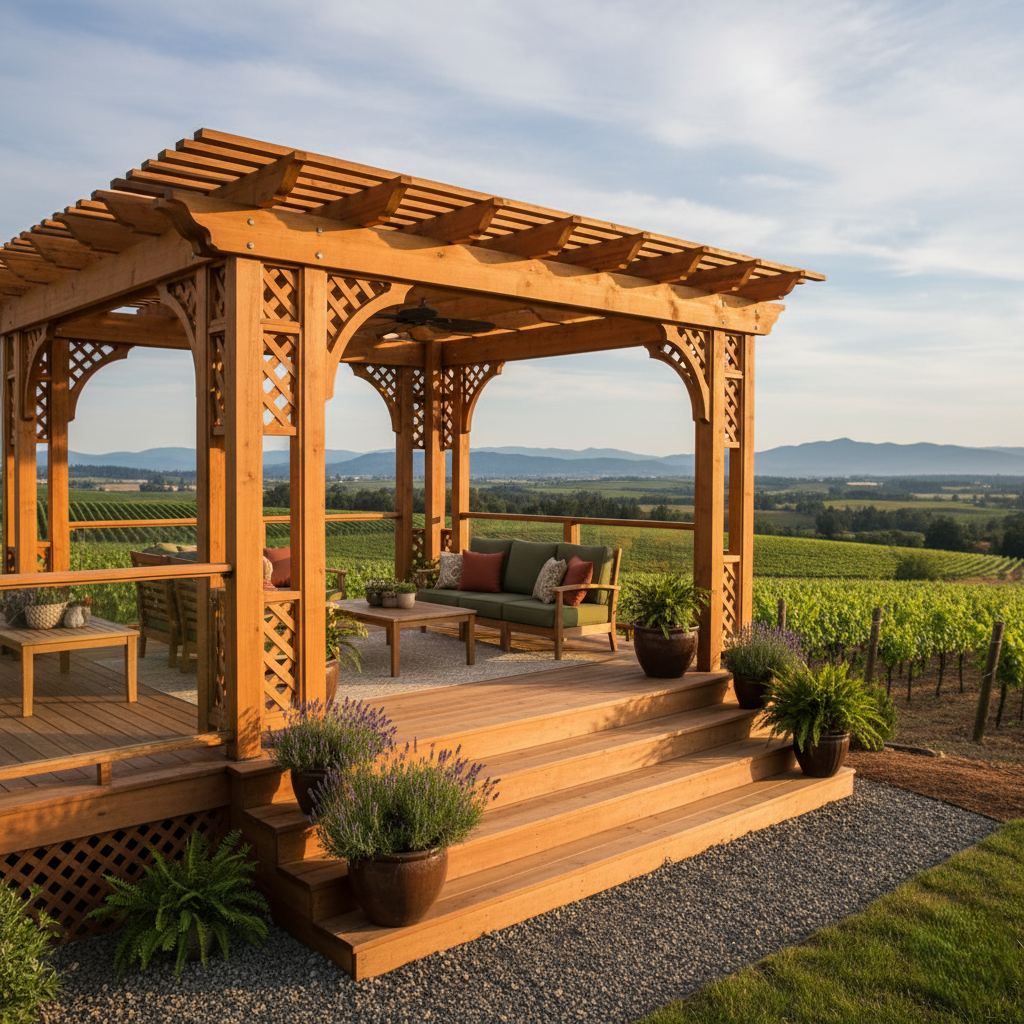
While DIY footing installation might seem cost-effective, professionals bring the expertise to handle soil conditions, frost-depth calculations, and concrete curing correctly. Licensed contractors ensure compliance with local building codes and provide warranty-backed workmanship that protects your investment.
Whether you’re building a deck, pergola, or backyard studio, hiring experts in the Willamette Valley ensures your structure is stable, durable, and weather-resistant year-round.
Call to Action
Frost-proof footings are the unsung heroes of outdoor construction in the Willamette Valley. They provide the critical support your structures need to withstand moisture, temperature changes, and shifting soil. By investing in proper foundation work, you can protect your property, extend the life of your outdoor structures, and enjoy peace of mind knowing your investment is built to last. Contact us today!